
How Harvest Table Culinary Group Uses Culinary Innovation, Transparency, and Technology, to Personalize Campus Dining
At colleges and universities, dining is no longer viewed simply as a service. It is an integral part of the student experience, shaping community, wellbeing, and a sense of belonging throughout a student’s time on campus.
That reality has helped drive the evolution of campus dining, creating demand for programs that can balance culinary creativity, ingredient transparency, wellbeing, and sustainability while also reflecting the unique culture of each institution.
For Harvest Table Culinary Group, that challenge has become an opportunity for continued innovation.
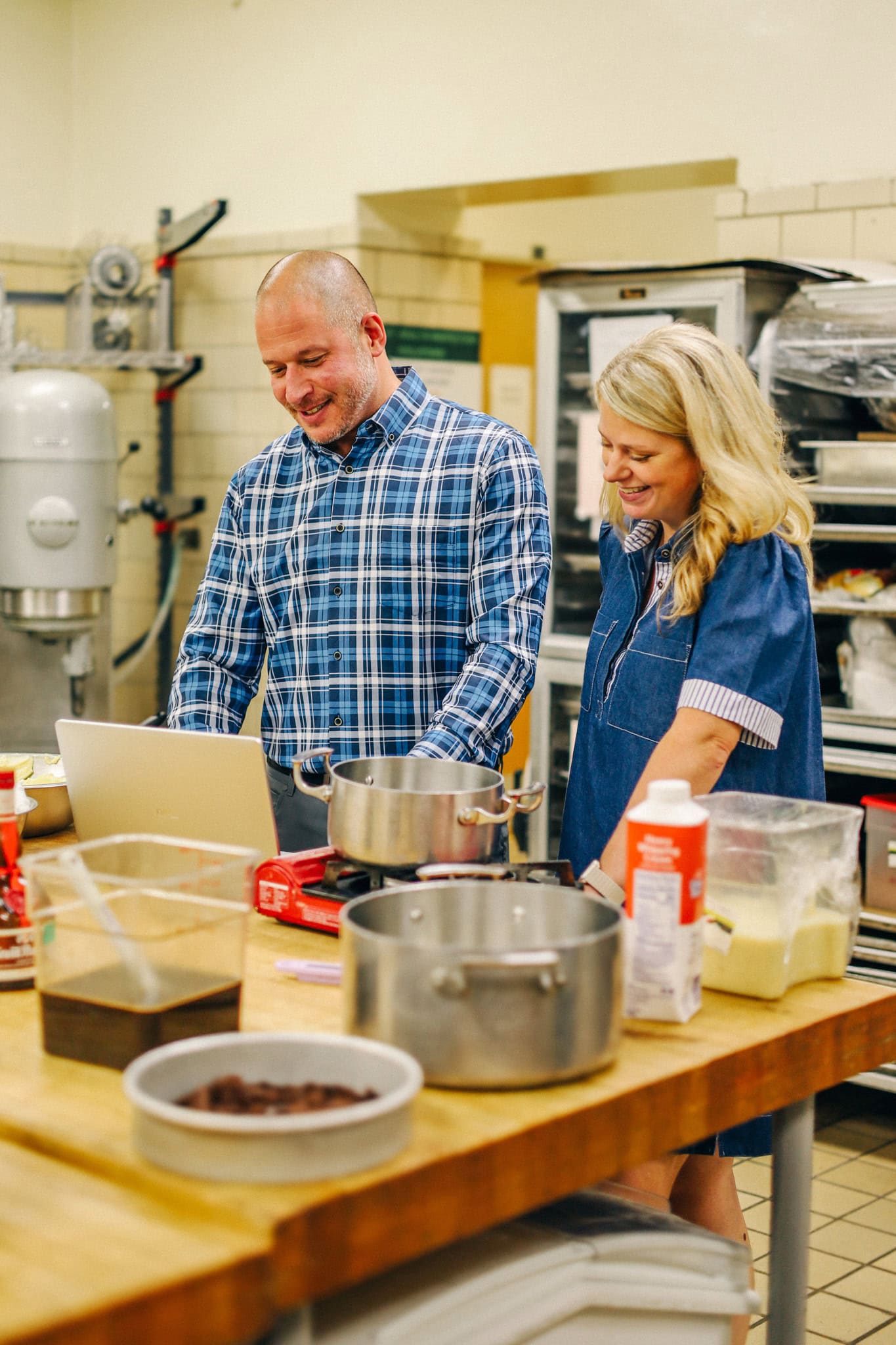
Since its founding, Harvest Table has positioned itself as an incubator for culinary innovation, building its approach around scratch-made cooking, responsible sourcing, local partnerships, and transparency. The company emphasizes authentic food experiences and a highly individualized approach that allows campuses to tailor dining programs to their specific communities.
But behind the chef-crafted menus students see every day is a sophisticated ecosystem designed to support customization at scale.
“By bridging chef creativity with smart technology, we give our teams the freedom to innovate in real time without sacrificing transparency or precision,” said Antonio Pignagrande PC III, CEC, CCA, Harvest Table’s Director of Culinary Enablement. “Campus dining is no longer just a meal—it is a tech-enabled, scratch-made experience where our brand commitments thrive, community grows, and sustainability is served with every dish.”
Building a Dynamic Collegiate Dining Ecosystem
Unlike many dining operations that rely heavily on predetermined cycle menus, Harvest Table gives chefs the flexibility to develop menus that reflect seasonality, campus traditions, local culture, and regional sourcing opportunities.
That level of flexibility requires more than culinary talent. It requires systems capable of supporting thousands of recipes, ingredients, and menu variations while maintaining consistency and transparency.
Over the past several years, Harvest Table’s culinary enablement team has worked to develop an integrated food production ecosystem that supports those goals. The system allows culinary teams to create and modify menus while preserving ingredient integrity and providing real-time data to operations teams and guests alike. This platform empowers chefs to remain creative without sacrificing visibility into what is being served, where ingredients come from, or how menu choices align with institutional expectations.
Transparency in Real Time
Today’s students expect more information about their food. Questions about allergens, dietary preferences, sourcing practices, and nutritional content are increasingly part of everyday dining decisions. Harvest Table has responded by building ingredient transparency directly into its operating model.
Dietitians and culinary enablement professionals work alongside campus dining teams to manage menu information in real time. Information about ingredients, allergens, and dietary attributes can be displayed through digital menu boards and guest-facing websites, helping students make informed choices while supporting safety and inclusivity.
The approach aligns with Harvest Table’s broader commitment to culinary inclusivity and technology-enabled guest experiences.
As dining programs become increasingly personalized, the amount of information generated by menus, recipes, ingredients, and student preferences continues to grow. Harvest Table has begun leveraging artificial intelligence and advanced data analysis tools to help manage that complexity. These technologies can evaluate menu accuracy, variety, and compliance with client expectations while providing operational insights that help ensure dining programs deliver on their culinary commitments. The result is a more measurable approach to menu development that combines chef creativity with data-driven decision making.
For institutional partners, it provides greater visibility into how dining programs support wellness, variety, sustainability, and other priorities outlined within their campus dining strategies.
Supporting Sustainability Beyond the Plate
The same systems that support menu planning and transparency also create opportunities to advance sustainability goals.
By analyzing production data, dining teams can develop more accurate forecasting models, helping reduce excess food preparation and post-production waste. Insights generated through the platform can also support more efficient purchasing practices and stronger alignment with Harvest Table’s sourcing commitments.
Those capabilities complement the organization’s emphasis on local procurement, responsible sourcing, and creating a more environmentally responsible food system.

Enhancing the Student Experience Through Food
“At institutions where campus culture and student engagement are defining characteristics, dining serves as a daily touchpoint that helps shape the overall student experience. Harvest Table’s integrated approach enables chefs to create distinctive experiences that reflect each campus while giving students greater visibility into the food they eat and how it aligns with their personal values and dietary needs,” said Harvest Table Culinary Group Director of Wellbeing, Allyson West, RD, LDN. “By combining culinary creativity, real-time transparency, advanced analytics, and sustainability insights, Harvest Table is building a model that treats dining not as a standalone service, but as a strategic part of campus life.”


